Background Information
Semliki National Park sprawls across the floor of the Semliki Valley on the remote, western side of the Rwenzori. The park is dominated by the easternmost extension of the great Ituri Forest of the Congo Basin.
This is one of Africa’s most ancient and bio-diverse forests; one of the few to survive the last ice age, 12-18,000 years ago. The Semliki Valley contains numerous features associated with central rather than eastern Africa. Thatched huts are shaded by West African oil palms; the Semliki River (which forms the international boundary) is a miniature version of the Congo River, the forest is home to numerous Central African wildlife species, and the local population includes a Batwa pygmy community that originated from the Ituri. As a result, this park provides a taste of Central Africa without having to leave Uganda.
While Semliki’s species have been accumulating for over 25,000 years, the park contains evidence of even older processes. Hot springs bubble up from the depths to demonstrate the powerful subterranean forces that have been shaping the rift valley during the last 14 million years.
Where to find Semliki National Park
About Semliki National Park:
Size: 220km² with an altitude of 670-760m above sea level
Semliki Forest Reserve was created in 1932 and upgraded to national park status in 1993.
It is the only tract of true lowland tropical forest in East Africa, hosting 441 recorded bird species and 53 mammals.
Large areas of this low-lying park may flood during the wet season, a brief reminder of the time when the entire valley lay at the bottom of a lake for seven million years.
Getting there:
There are two major roads from Kampala to Fort Portal, 4WD vehicles are recommended for both:
» Kampala-Fort Portal via Mubende is about 180km, or a 4-5 hour drive, making it the shortest route.
» Kampala-Fort Portal via Masaka, Mbarara and Kasese is longer at 465km (7-8 hrs). This route offers the chance to stop along the way at Lake Mburo National Park, Kyambura Wildlife Reserve, Rwenzori Mountains National Park or Queen Elizabeth National Park.
Semliki National Park’s Sempaya Gate is 59km from Fort Portal. The park headquarters at Ntandi is 6km further along the road. Historically, the journey was a slow and bumpy 2-3 hour drive on a narrow road that winds over the northern Rwenzori. The route is currently being widened and surfaced to make the journey shorter and more comfortable.
What to do:
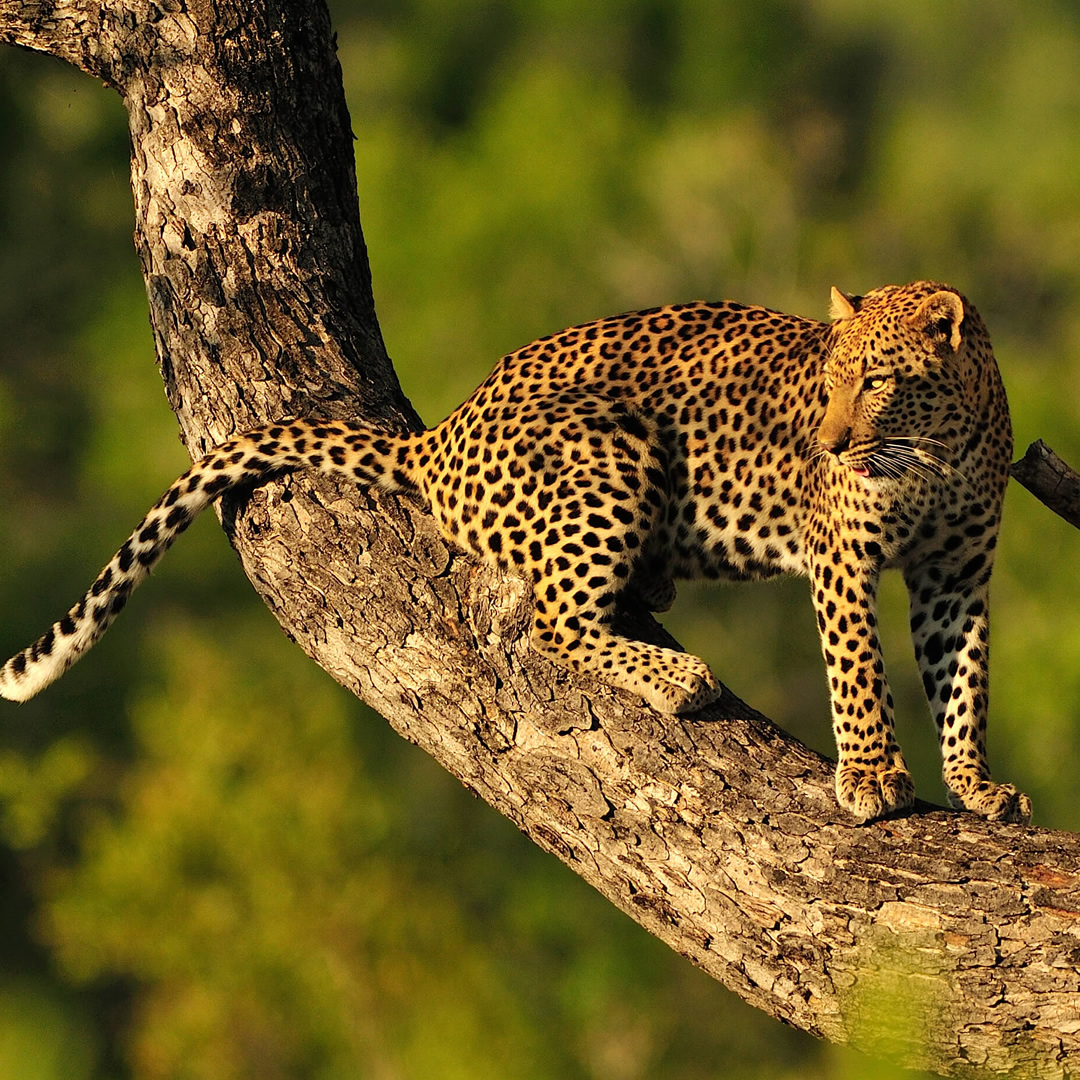
The forest is home to 53 mammals of which 27 are large mammals. 11 species are endemic to the park including the pygmy antelope and two flying squirrel species. It is also home to the peculiar water chevrotain, known as the “fanged deer”.
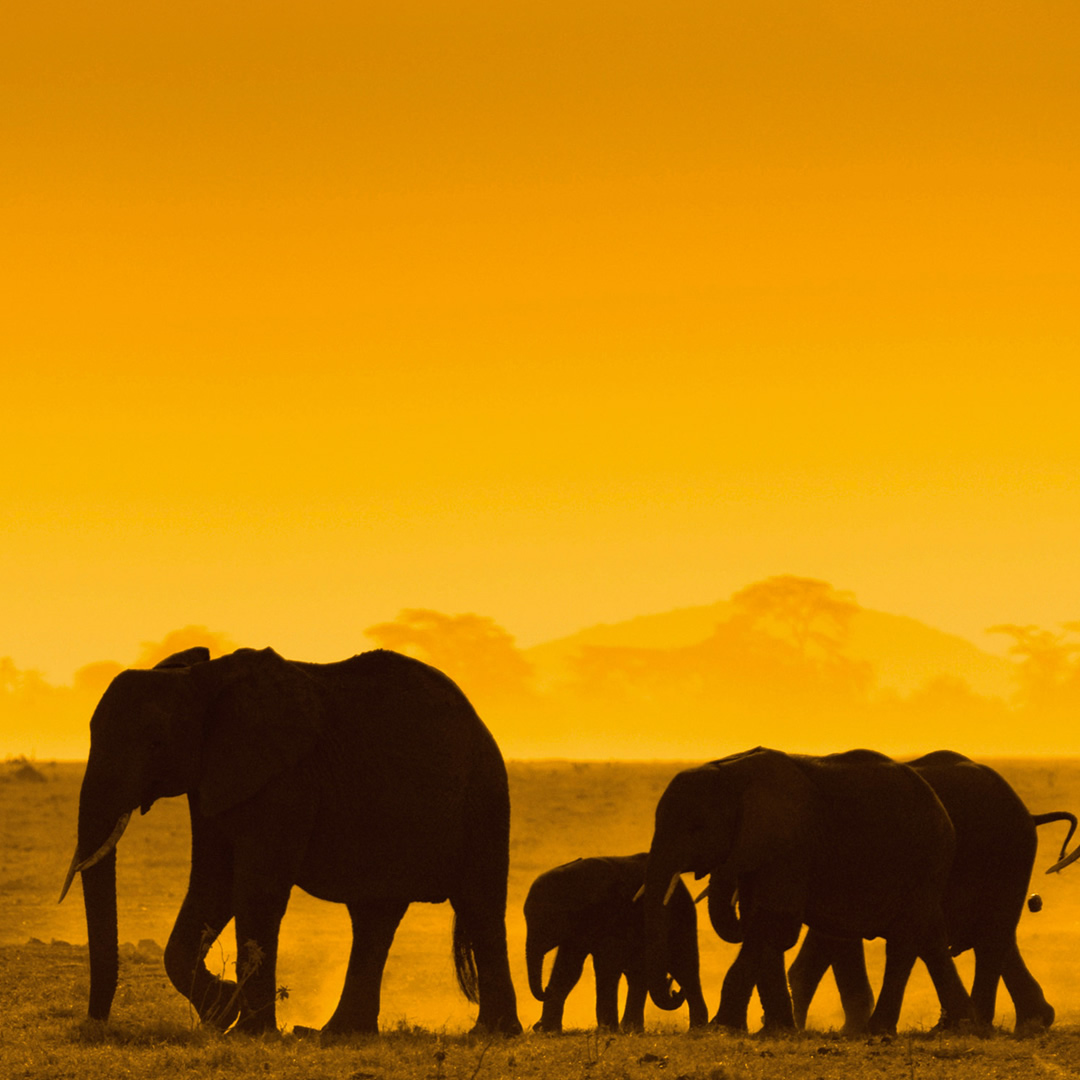
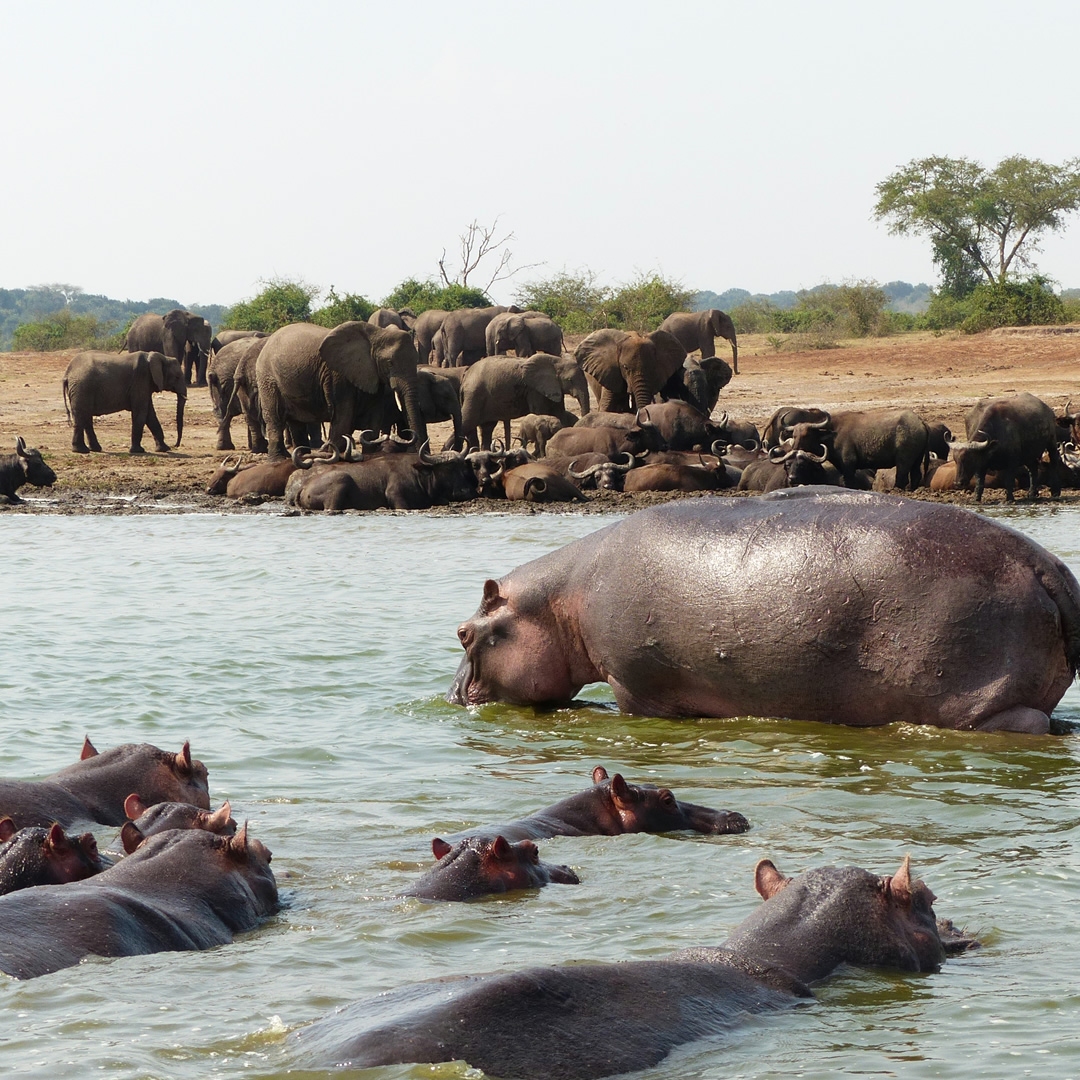
The park is home to forest elephant and buffalo which are smaller versions of their savannah-dwelling relatives. The forest is remarkably rich in primates including the chimpanzee, baboon, grey-cheeked mangabey, black-and-white Colobus, Central African red Colobus, blue, red-tailed, de Brazza’s, velvet, and Dent’s mona monkeys. Nocturnal primates include the potto and bush baby. Hippos and crocodiles are common along the Semliki River.
When to go
Northern Kibale is the park’s wettest area, receiving a mean annual rainfall of up to 1700mm, mostly during March-May and September-November. The climate is generally pleasant with a mean annual temperature range of 14-27oC. Temperatures are highest (and rainfall lower) in the south where the terrain drops down onto the hot rift valley floor and forest gives way to open grassland.
Dry Season: June to September is the driest time and temperatures average 80°F (25°C) when most animals remain near water, but be prepared for afternoon thunderstorms at any time. The hot dry time is January to February and is a good time to visit.
Rainy Season: It rains anytime from October to December and March to May when many roads become challenging to use. A good 4×4 vehicle is essential.