Background Information
Queen Elizabeth National Park is one of the most visited National Park due to its location between and closer to National Parks such as Bwindi Impenetrable National Park, Rwenzori National Park an Kibale National Park. It is the second largest National Park after Murchison Falls National Park and stretches to about 1,978 square kilometers.
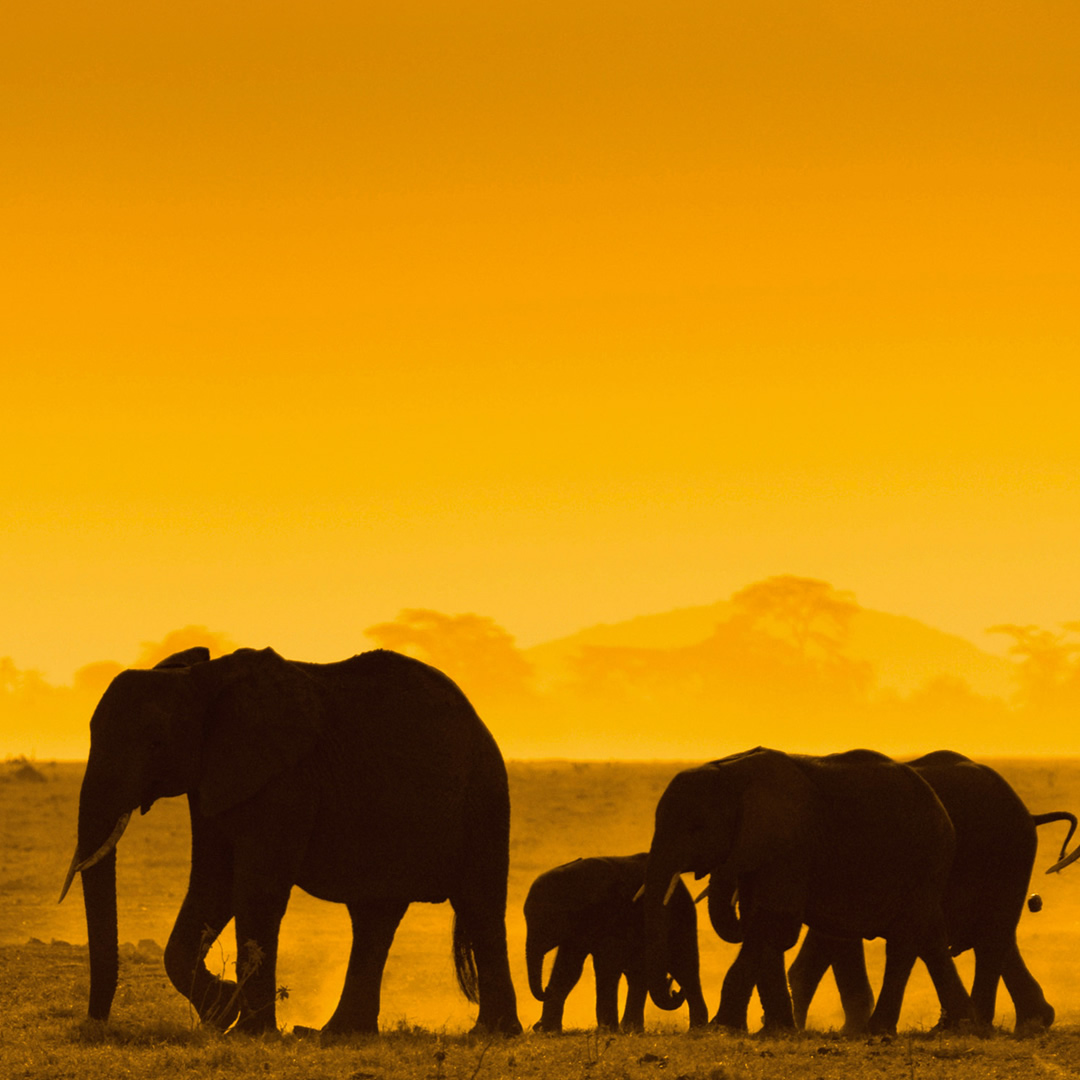
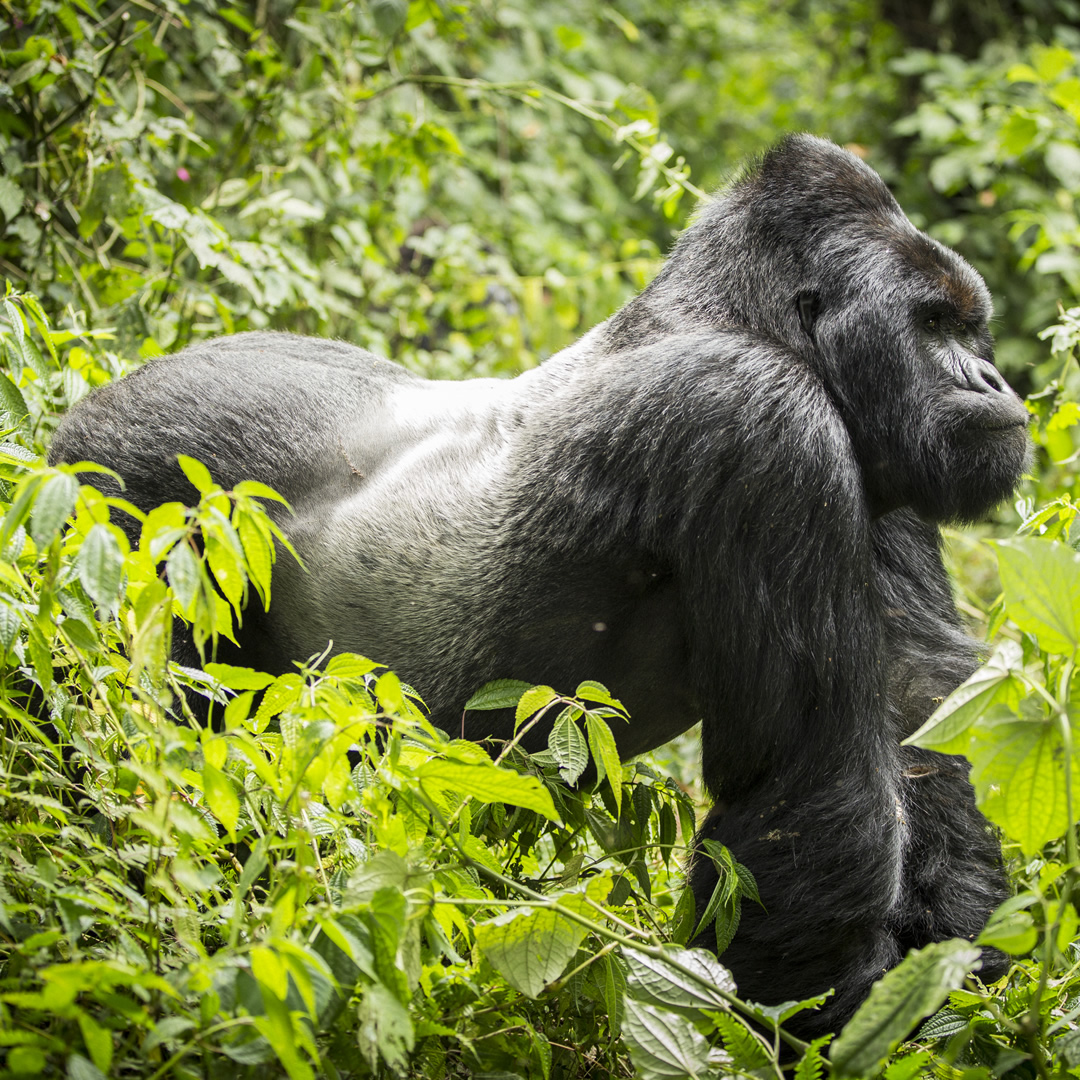
Queen Elizabeth National Park is understandably Uganda’s most popular tourist destination. The park’s diverse ecosystems, which include sprawling savannah, shady, humid forests, sparkling lakes and fertile wetlands, make it the ideal habitat for classic big game, ten primate species including chimpanzees and over 600 species of birds.
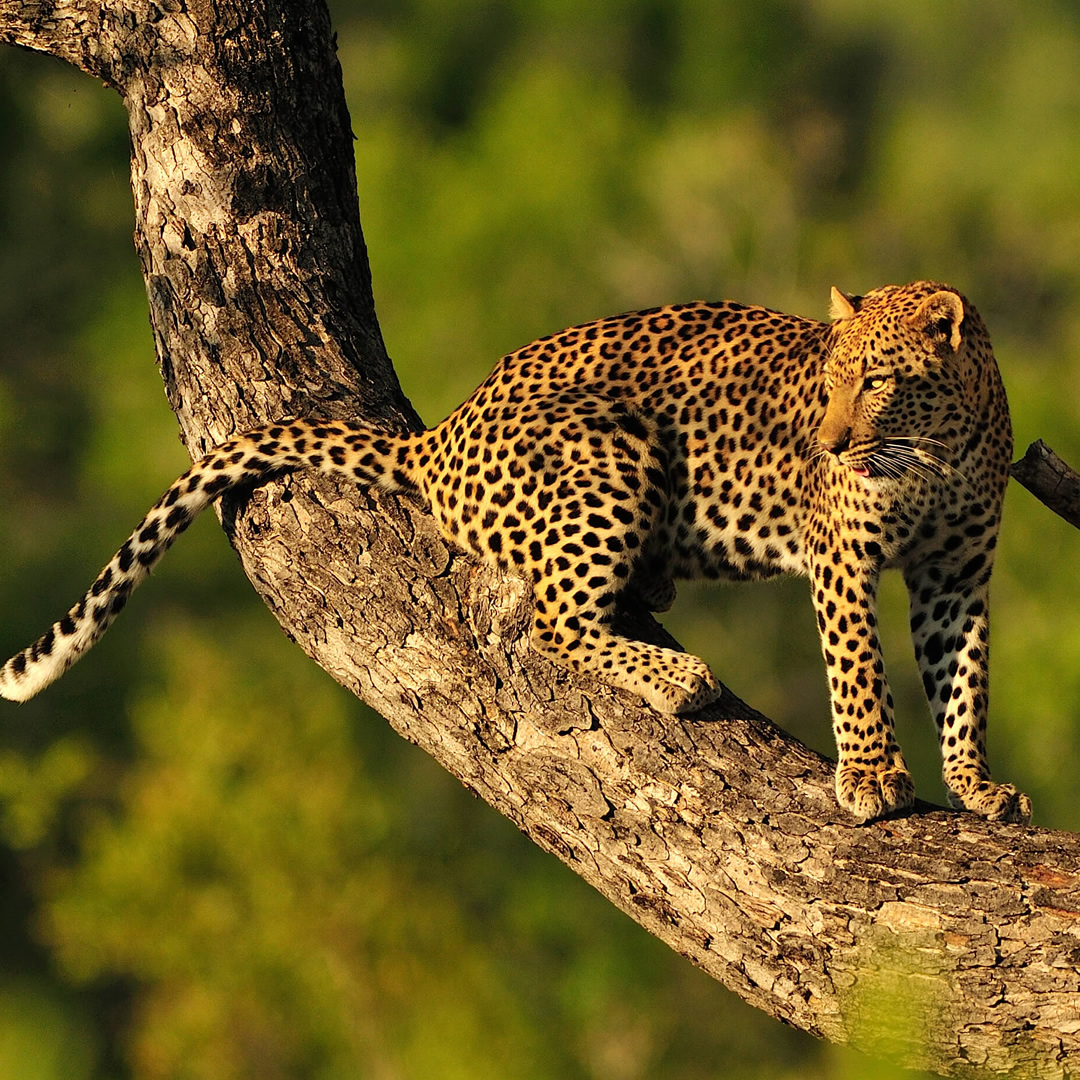
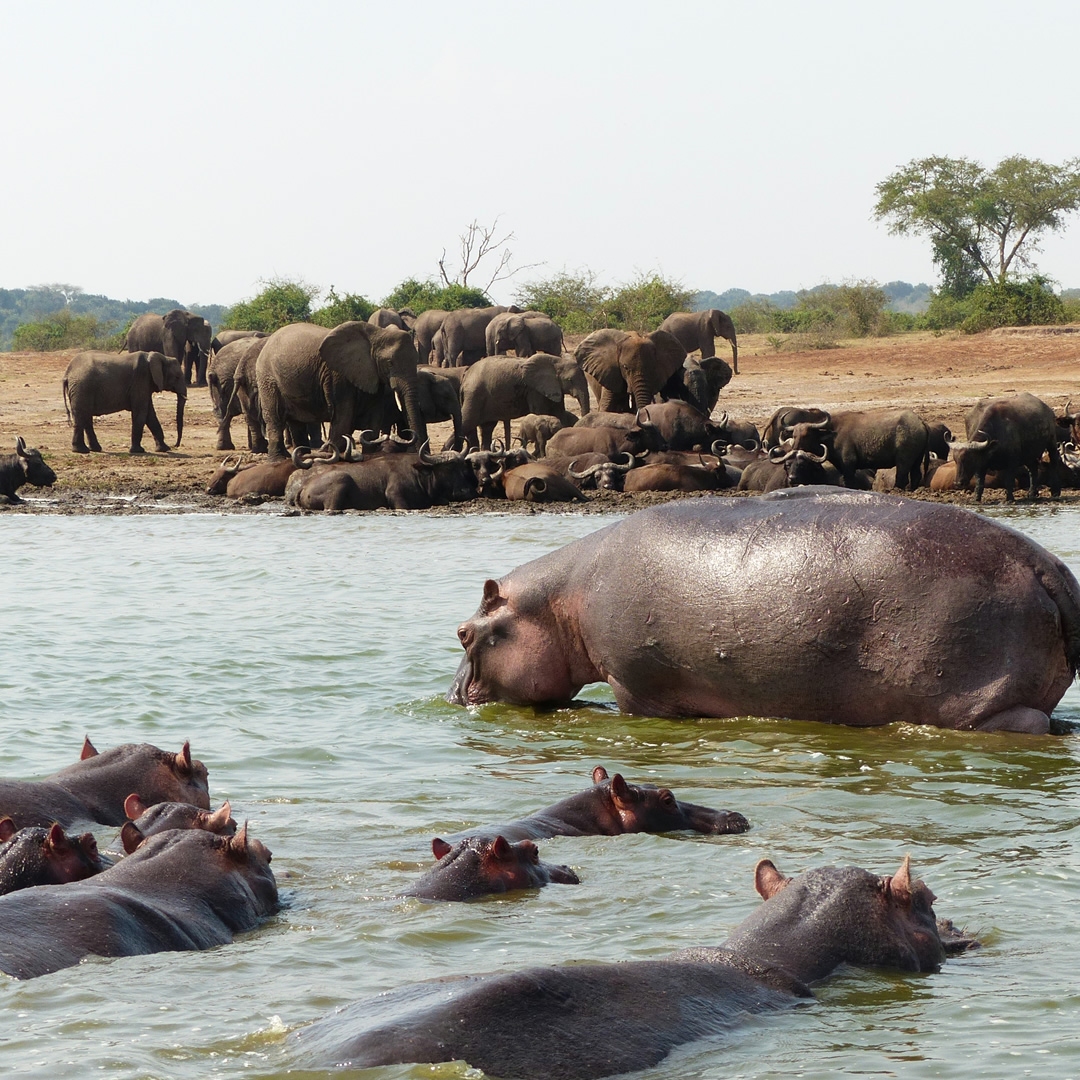
Set against the backdrop of the jagged Rwenzori Mountains, the park’s magnificent vistas include dozens of enormous craters carved dramatically into rolling green hills, panoramic views of the Kazinga Channel with its banks lined with hippos, buffalo and elephants, and the endless Ishasha plains, whose fig trees hide lions ready to pounce on herds of unsuspecting Uganda kob.
As well as its outstanding wildlife attractions, Queen Elizabeth National Park has a fascinating cultural history. There are many opportunities for visitors to meet the local communities and enjoy storytelling, dance, music and more. The gazetting of the park has ensured the conservation of its ecosystems, which in turn benefits the surrounding communities.
Uganda’s Queen Elizabeth National Park is truly a Medley of Wonders!
Where to find Queen Elizabeth National Park
About Queen Elizabeth National Park:
Size: 1,978km².
Queen Elizabeth spans the equator line; monuments on either side of the road mark the exact spot where it crosses latitude 00.
The park was founded in 1952 as Kazinga National Park, and renamed two years later to commemorate a visit by Queen Elizabeth II.
The park is home to over 95 mammal species and over 600 bird species.
The Katwe explosion craters mark the park’s highest point at 1,350m above sea level, while the lowest point is at 910m, at Lake Edward.
Getting there:
Queen Elizabeth National Park can be accessed most easily from Kampala. The tarmac road from Kampala via Mbarara town and Bushenyi leads to the center of the park, passing just 22 km from Mweya Peninsula, the main tourism hub. Approaching the park from the south via Mbarara covers a distance of 420km while the north through Fort Portal covers a total of 410 km.
What to do:
Some of the activities one can do at the Queen Elizabeth National Park include: Top wildlife viewing, Boat trips on Kazinga channel available, Tree-climbing lions in the Ishasha sector, Excellent birding with 600 species recorded, Several accommodation options for different budgets
When to go
All year round!. Daytime temperatures average 18-28°C. Nights can be cool so bring layers.