Background Information
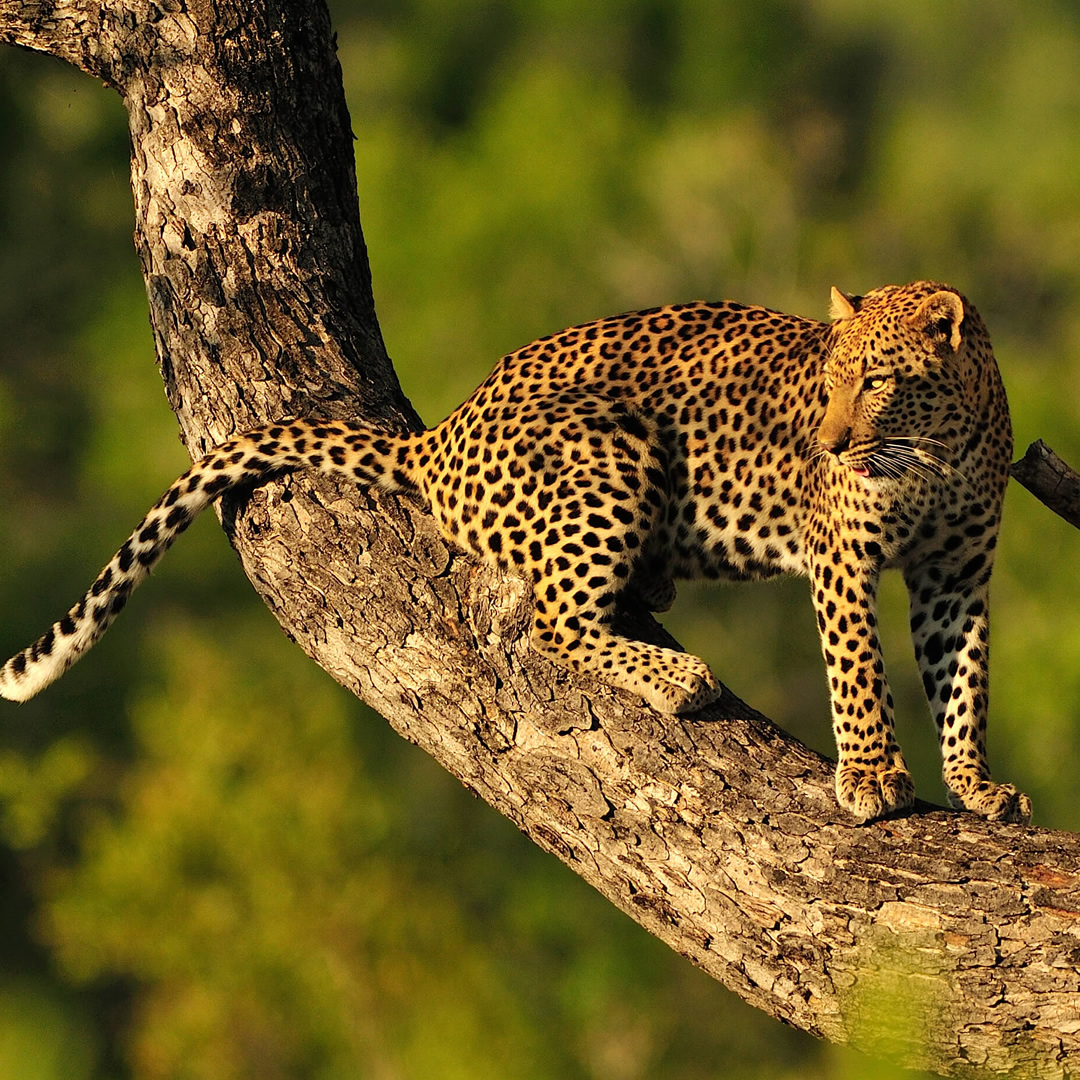
Murchison Falls National Park lies at the northern end of the Albertine Rift Valley, where the sweeping Bunyoro escarpment tumbles into vast, palm-dotted savannah. First gazetted as a game reserve in 1926, it is Uganda’s largest and oldest conservation area, hosting 76 species of mammals and 451 birds.
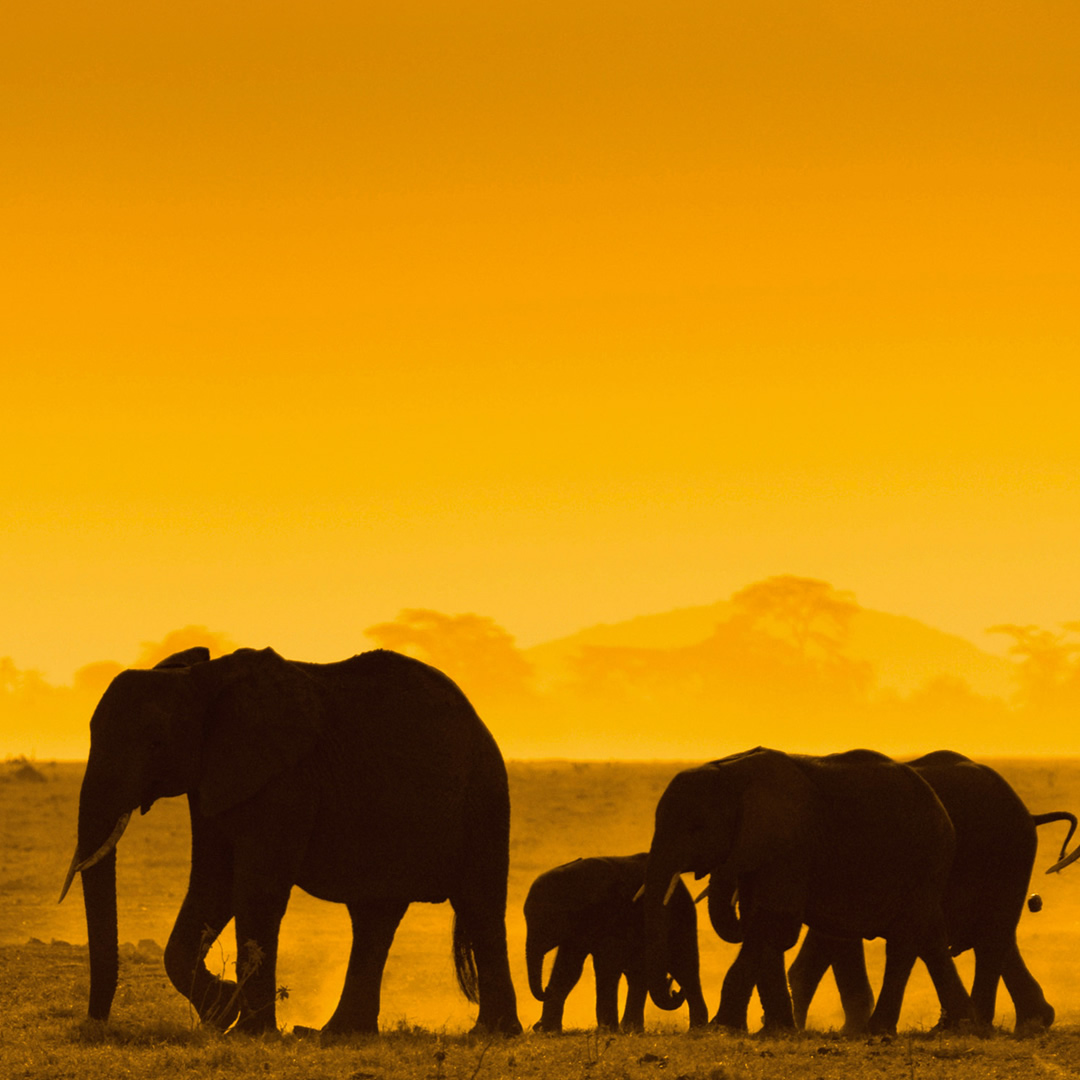
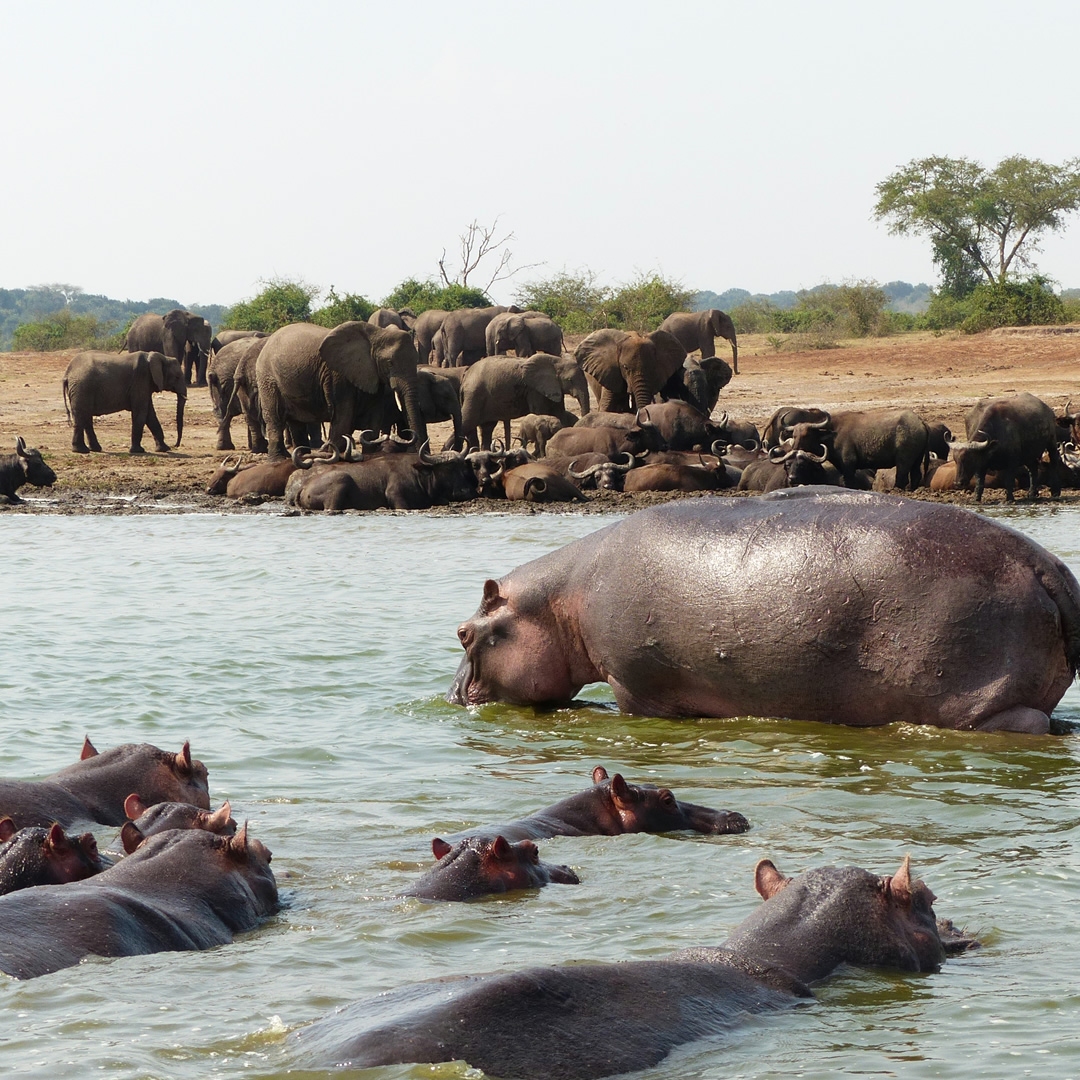
The park is bisected by the Victoria Nile, which plunges 45m over the remnant rift valley wall, creating the dramatic Murchison Falls, the centerpiece of the park and the final event in an 80km stretch of rapids. The mighty cascade drains the last of the river’s energy, transforming it into a broad, placid stream that flows quietly across the rift valley floor into Lake Albert. This stretch of river provides one of Uganda’s most remarkable wildlife spectacles. Regular visitors to the riverbanks include elephants, giraffes and buffaloes; while hippos, Nile crocodiles and aquatic birds are permanent residents. Notable visitors to the park include Winston Churchill, Theodore Roosevelt, Ernest Hemingway and several British royals.
Murchison Falls was first gazetted in 1926 as a game reserve and later graduating to Uganda’s first National Park in 1952. It protects so many wildlife and is home to approximately 76 species of mammals and about 451 species of birds including the rare shoebill stock that can be spotted in the delta region. You can access Murchison Falls National Park through the south by driving from Kampala through Masindi and then to the Park. The other alternative is through the Bungugu gate for those coming from Kibale National Park. This route is very scenic as it takes you through rift valley escarpments and Lake Albert. For those interested in flying to Murchison Falls National Park, there two airfields here. Bugungu Airfield is in the south while Pakuba Airfield in the northern sector. Aerolink operates daily afternoon flights to Murchison Falls National Park while fly Uganda operates charter flights to this park.
Where to find Murchison Falls National Park
About Murchison Falls National Park:
Size: 3,840km2
Murchison Falls became one of Uganda’s first national parks in 1952
At Murchison Falls, the Nile squeezes through an 8m wide gorge and plunges with a thunderous roar into the “Devil’s Cauldron”, creating a trademark rainbow
The northern section of the park contains savannah and borassus palms, acacia trees and riverine woodland. The south is dominated by woodland and forest patches
The 1951 film “The African Queen” starring Humphrey Bogart was filmed on Lake Albert and the Nile in Murchison Falls National Park
Getting there:
A number of routes can be used to reach the Nile at Paraa at the heart of the Murchison Falls Conservation Area. The river is crossed here using a vehicle ferry which runs at roughly hourly intervals throughout the day.
Pakuba Airfield, 19km from North Paraa, can be reached using chartered aircraft from Entebbe International Airport or Kajjansi airfield near Kampala. Other airfields in the park include: Chobe to the east and Bugungu – near Murchison Falls – to the south.
What to do:
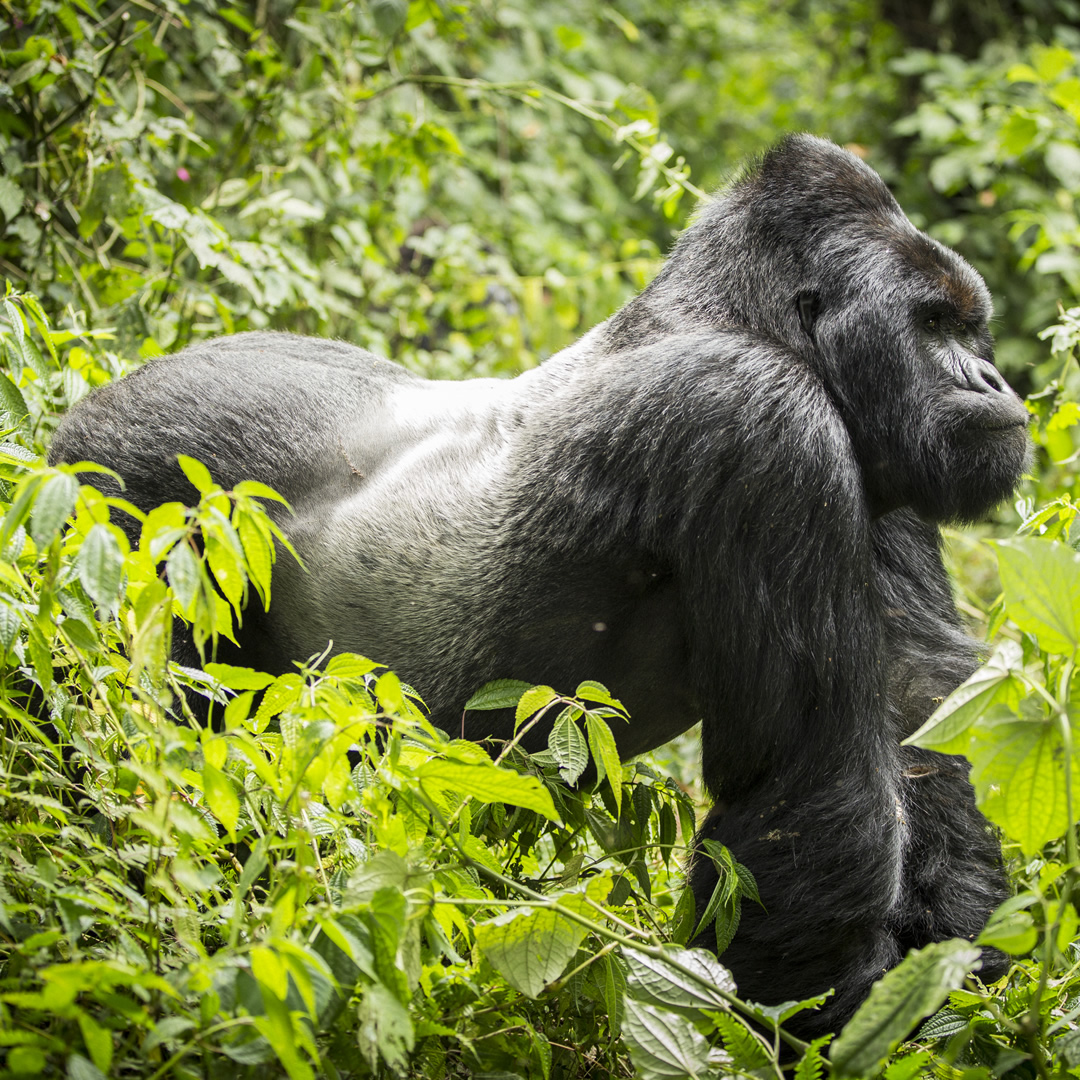
Murchison Falls National Park is popular for its game drives in the northern sector known as Paraa where you get a chance of spotting the big five. The high light of activities in this National Park is the 2 hour boat cruise to the bottom of the falls where River Nile squizes itself into a narrow gorge. For kin birder, Murchison falls National park id one of the places where yuo can spot the rare shoebill stork and bird the royal miles as well. There is chimp trekking in Budongo Forest which has the highest number of chimps in Uganda.
When to go
During the day, the temperature is around 25-32°C, making this one of the hottest regions in Uganda. Nights are cooler, dropping to around 18°C, and there is little rain – though when it arrives it can be torrential!
The best time to visit Murchison Falls National Park is during the dry seasons from December to late February and from June to September, as the animals congregate around water bodies making them easier to observe. The best time for bird watching is January-March which tends to have plenty of bird activity with fewer tourists.