Background Information
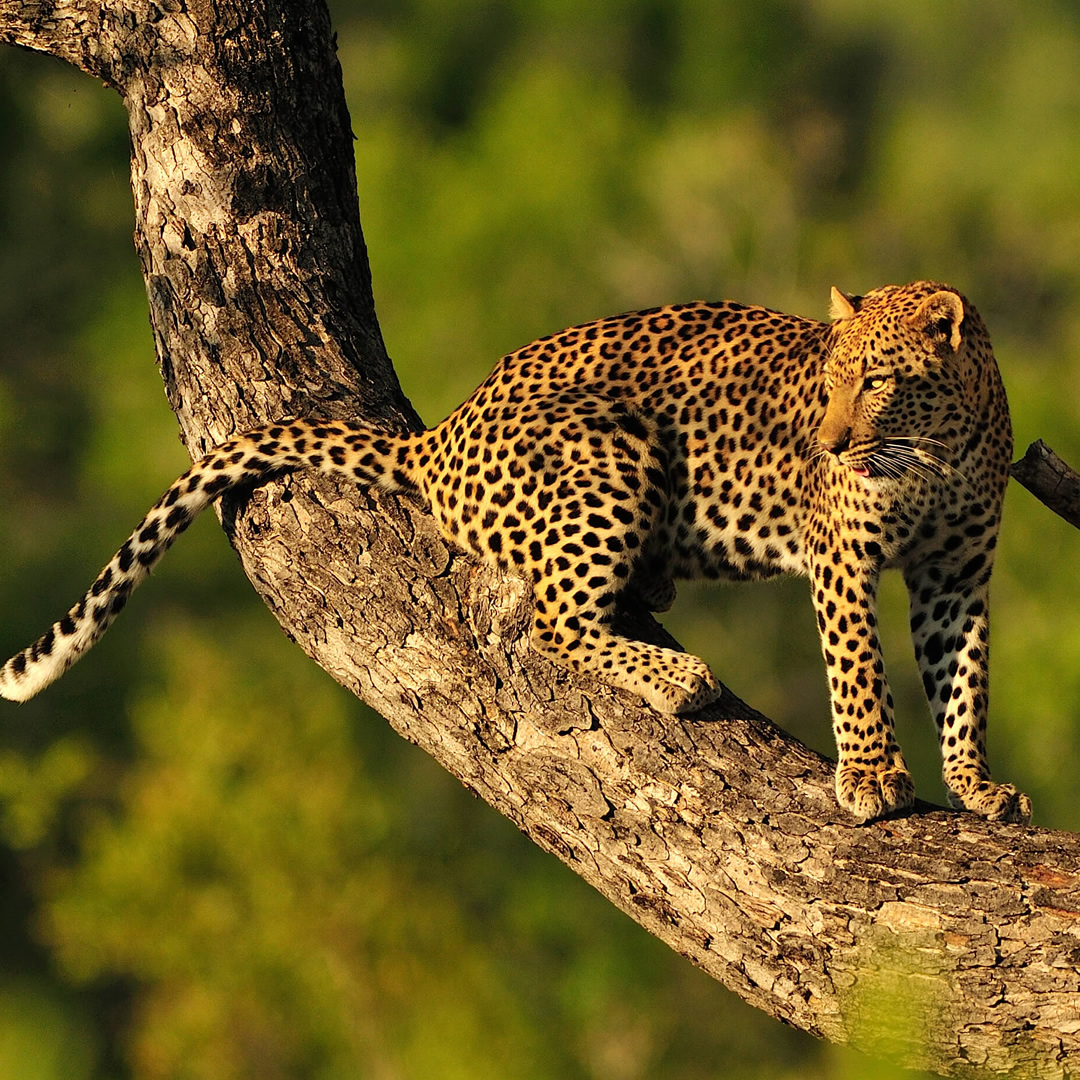
Lake Mburo National Park is a compact gem, located conveniently close to the highway that connects Kampala to the parks of western Uganda. It is the smallest of Uganda’s savannah national parks and underlain by ancient Precambrian metamorphic rocks which date back more than 500 million years. It is home to 350 bird species as well as zebra, impala, eland, buffalo, oribi, Defassa waterbuck, leopard, hippo, hyena, topi and reedbuck
Lake Mburo National Park is Uganda’s second smallest National Park occupying only 260 square kilometers of wide and varying ecosystems that include savannah wood and grassland, wetlands, lakes among others. Lake Mburo National Park is strategically located in between Entebbe and other bigger National Parks in west and south western Uganda such as Bwindi Impenetrable National Park and Queen Elizabeth National Park and as such, it is used as a stop over to break the long driving journeys to these National Parks. With a varied topography of marshland, acacia woodland, sweeping valleys, rock Kopjes and rolling hills, Lake Mburo National Park supports an impressive variety of flora and fauna, including some unique wildlife
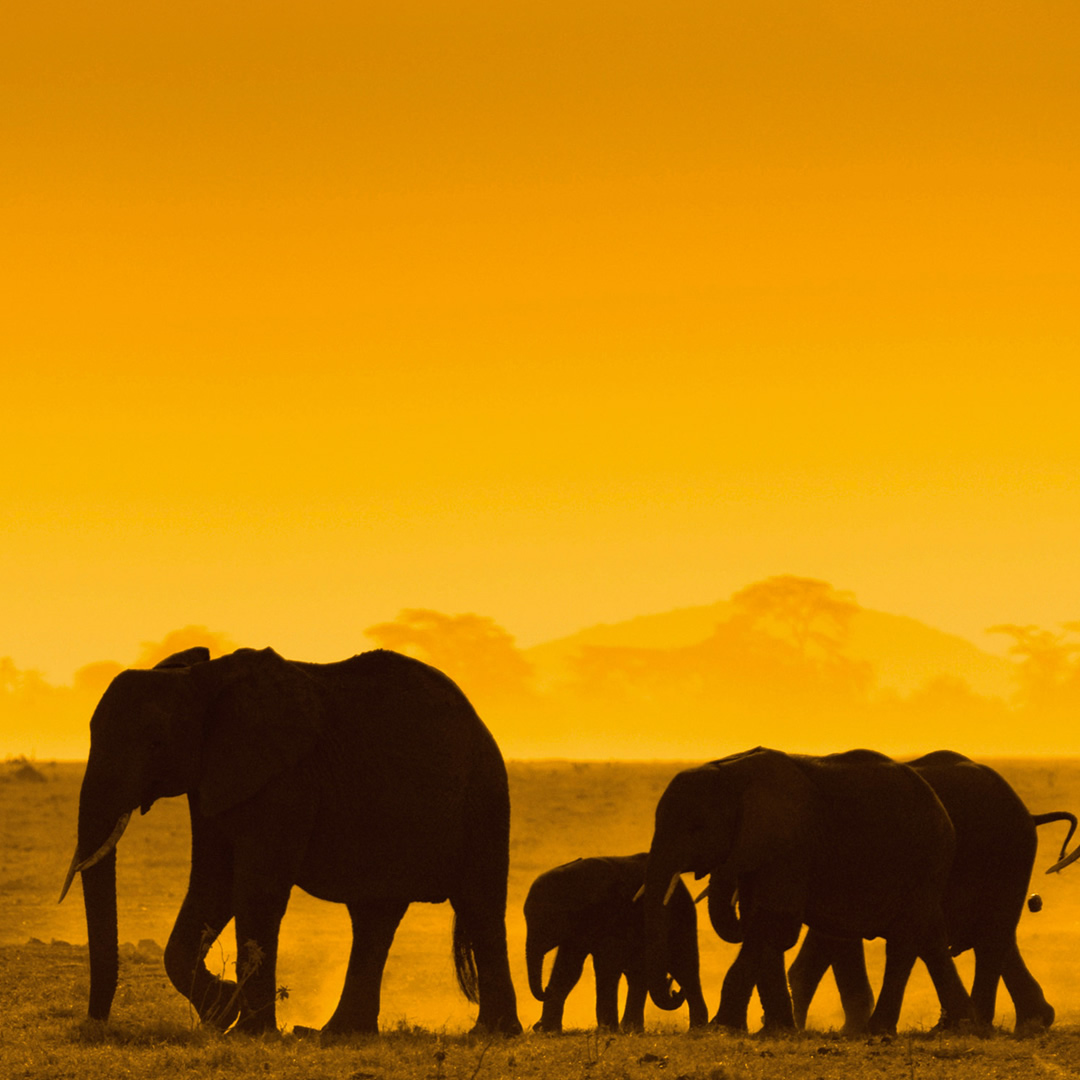
Together with 13 other lakes in the area, Lake Mburo forms part of a 50km-long wetland system linked by a swamp. Five of these lakes lie within the park’s borders. Once covered by open savanna, Lake Mburo National Park now contains much woodland as there are no elephants to tame the vegetation. In the western part of the park, the savanna is interspersed with rocky ridges and forested gorges while patches of papyrus swamp and narrow bands of lush riparian woodland line many lakes.
Where to find Lake Mburo National Park
About Lake Mburo National Park:
Size: 370km2
Altitude: 1,220m – 1,828m above sea level
Wetland habitats comprise 20% of the park’s surface
The parks’ precarious past has seen wildlife virtually eliminated several times: firstly in various attempts to rid the region of tsetse flies, then to make way for ranches, and finally as a result of subsistence poaching.
20% of the park’s entrance fee is used to fund local community projects such as building clinics and schools.
Getting there:
Lake Mburo National Park lies between Masaka and Mbarara in western Uganda, 228km (3½ hours) from Kampala.
Two gates enter the park from the Mbarara road: approaching from Kampala, the turning to Nshara Gate is 13kms past Lyantonde while the junction for Sanga Gate is at Sanga trading centre, 27km past Lyantonde. Both junctions are clearly signposted.
What to do:
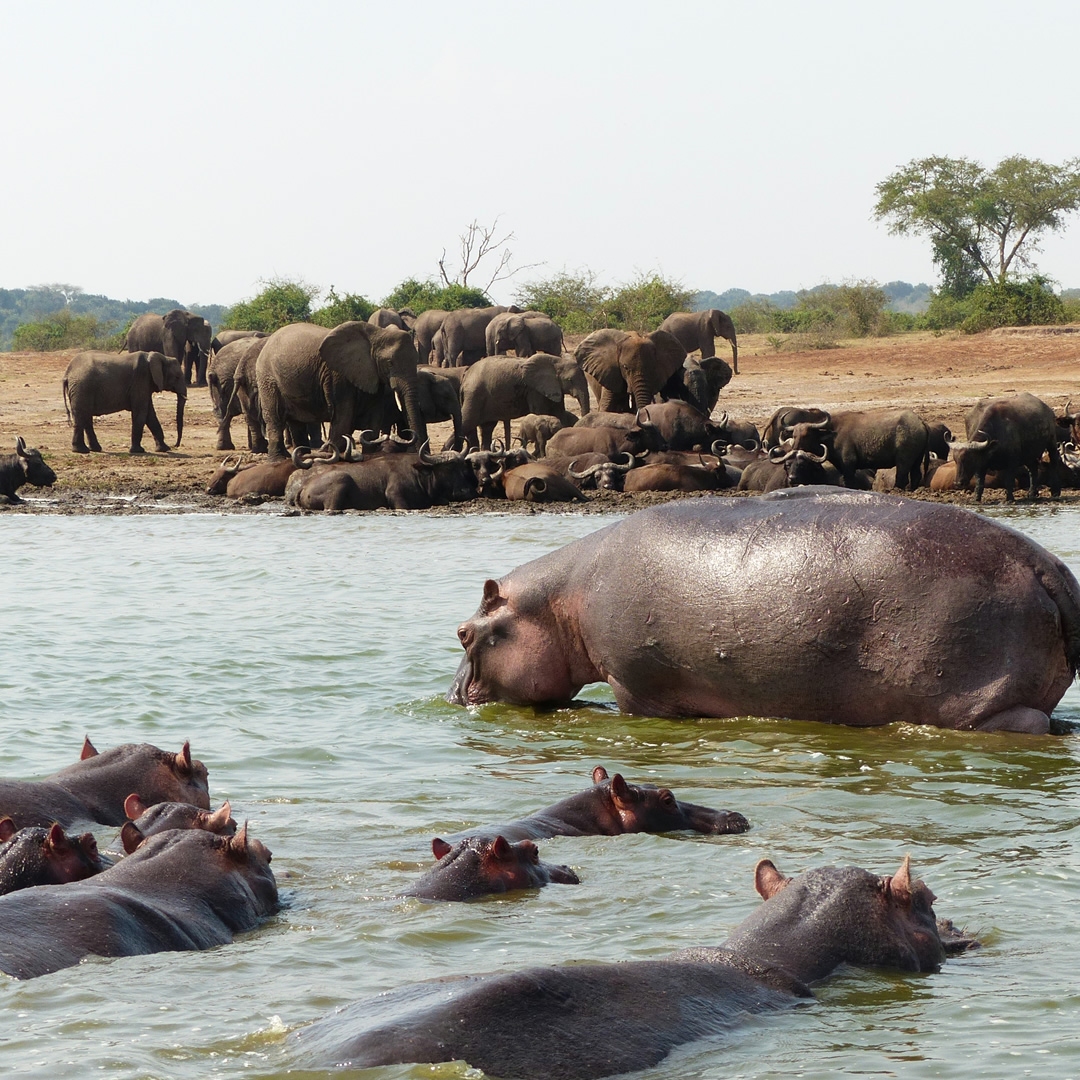
Lake Mburo is a natural haven for fauna and flora. The bank teems with animals and birds. Crocodiles and hippopotami are permanent residents, and buffalos come to drink during the dry season. The wide variety of resident birds includes Malachite Kingfishers, Pied Kingfishers, African Fish Eagles, Rufous Long-tailed Starlings, Blue-headed Weavers, Green-necked Doves, Hammerkops, Pelicans, Herons, Cormorants and even rare Shoebills.
When to go:
The park has a semi-arid climate with just one rainy season per year (April-September) and rainfall is light. The valley of the Narus River in the south of the park receives some 890mm of rain/year while just 635mm of rain/year falls in the Kidepo valley to the north. The best time to visit is October to March, when wildlife congregates around the few remaining water holes.