Background Information
Bwindi National Park is situated in the south-western part of Uganda. It is a World Heritage Site famed for its population of mountain gorillas, its biodiversity of fauna and flora and its Impenetrable Forest. Bwindi National Park is a remnant of what once used to be a very large forest, covering areas of western Uganda, Rwanda, Burundi and eastern Democratic Republic of Congo.
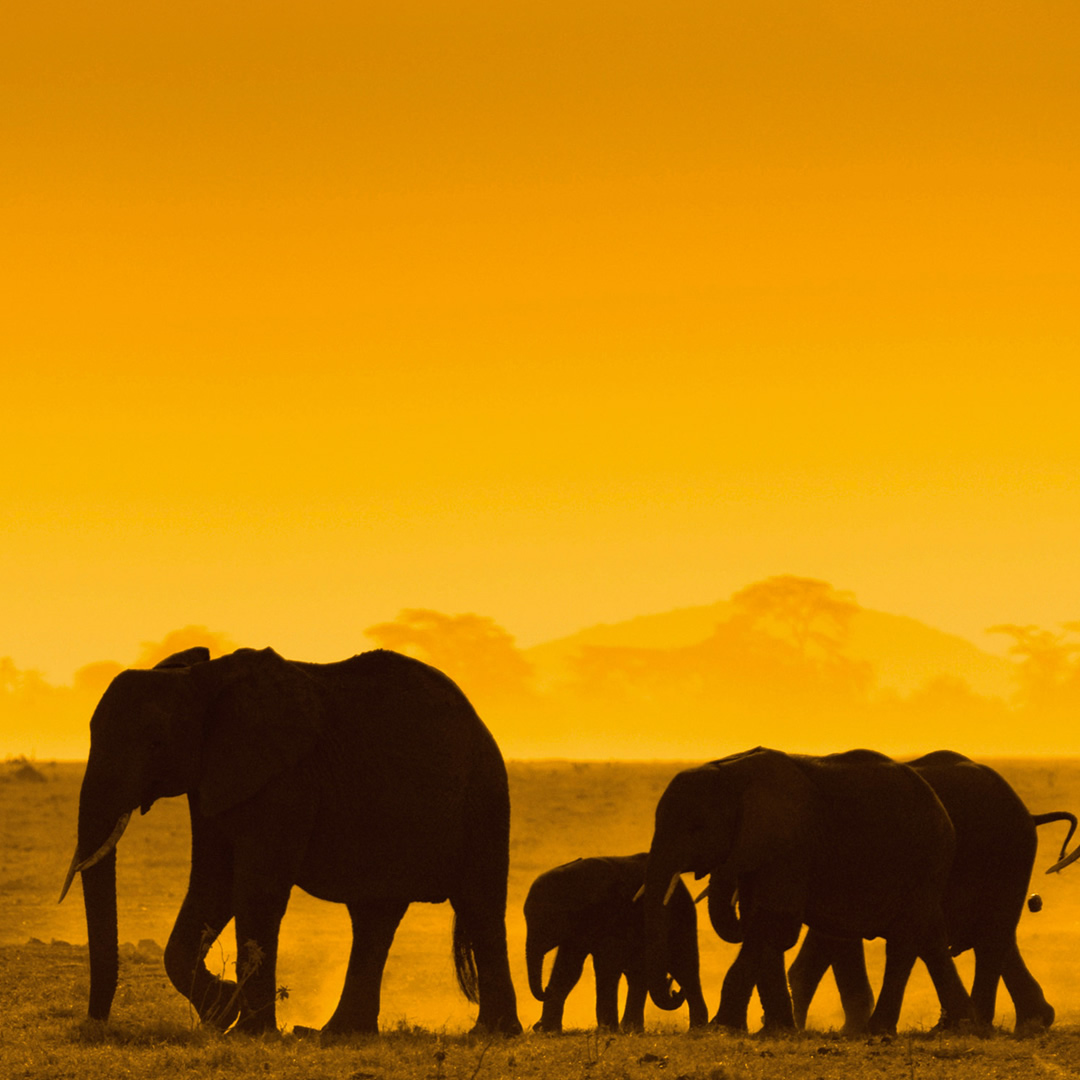
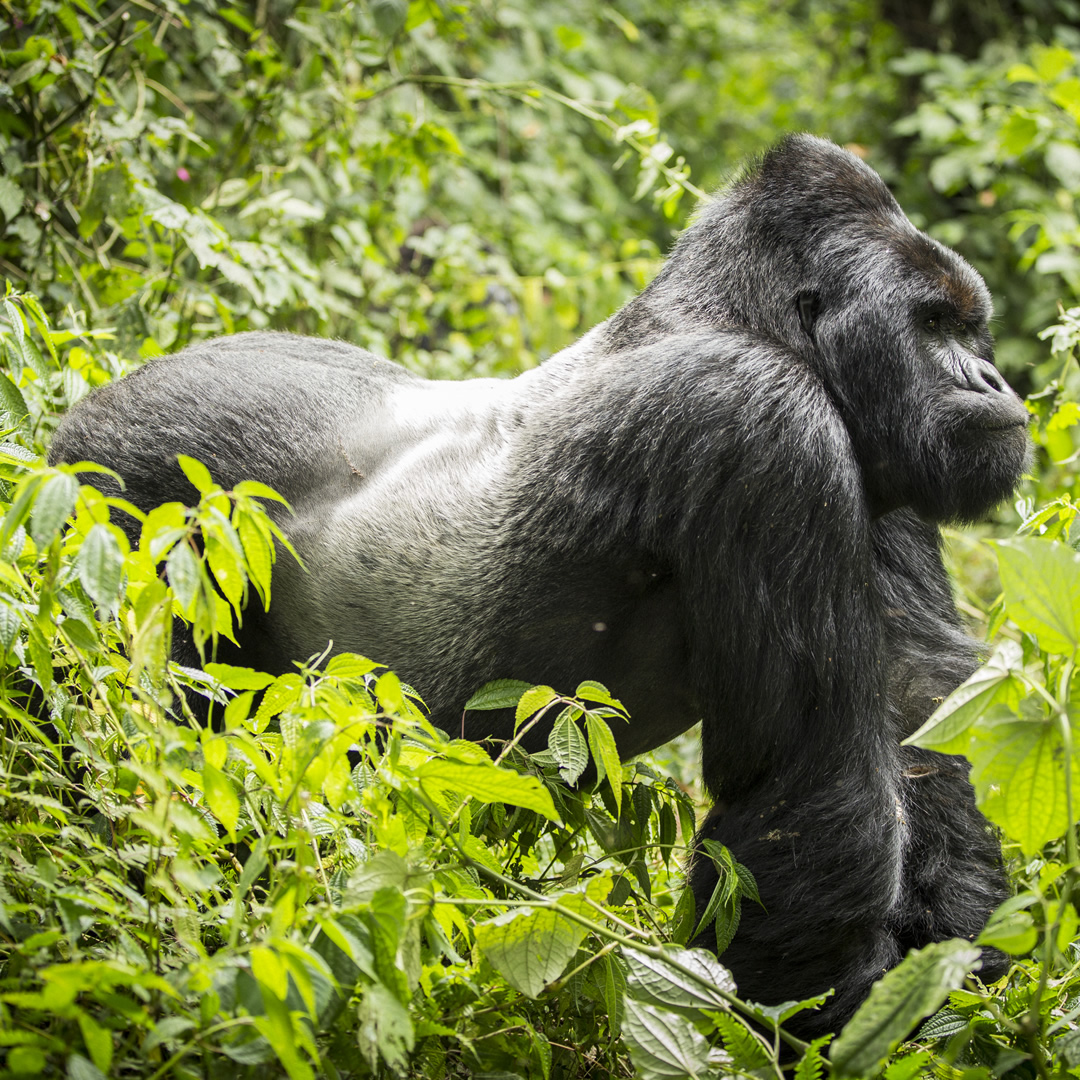
The forest is home to numerous globally threatened species, including the mountain gorilla, chimpanzee, L’Hoest’s monkey and the African elephant. Bird enthusiasts can look forward to sightings of the Africa green broadbill, Grauer’s swamp warbler, Turner’s Eremomela, Chapin’s flycatcher and Shelley’s crimson-wing. The area is known as the most important forest in Africa for the montane forest butterflies, including African giant swallowtail and Cream-banded swallowtail. The forest acts as an important water catchment where streams and rivers provide water to the surrounding densely populated agricultural land. The primary attraction in the park is the mountain gorillas. This population of around 340 individuals is half of the world's entire population. They are endangered, yet here there are 4 groups that are habituated to the presence of humans in their natural habitat.
Bwindi Impenetrable National Park offers some of the finest montane forest birding in Africa and is a key destination for any birder visiting Uganda. Amongst the numerous possibilities are no fewer than 23 of Uganda’s 24 Albertine Rift endemics, including spectacular, globally threatened species such as African Green Broadbill and Shelley’s Crimson wing. Bwindi is one of the few in Africa to have flourished throughout the last Ice Age and it is home to roughly half of the world’s mountain gorillas.Of Uganda’s forested reserves, Bwindi Impenetrable National Park is best known for its superb gorilla tracking, but it also provides refuge to elephant, chimpanzee, monkeys and various small antelope and bird species. Location Southwest, near Kabale
Where to find Bwindi Impenetrable Forest National Park
About Bwindi Impenetrable Forest National Park:
Size: 321km2
Altitude: 1,160m - 2,607m above sea level.
Bwindi was gazetted as a National Park in 1991 and declared a UNESCO Natural World Heritage Site in 1994.
The Mubare gorilla group was the first to become available for tourism in Uganda in April 1993. Nine groups are now habituated for tourism, and one for research.
Spread over a series of steep ridges and valleys, Bwindi is the source of five major rivers, which flow into Lake Edward.
Getting there:
Bwindi can be reached from Queen Elizabeth National Park to the north (2-3 hours), from Kabale to the south (1-2 hours), or from Kampala via Mbarara (6-8 hours). The roads meet at Butogota, 17km from the Buhoma entrance gate. A 4WD vehicle is necessary during the rainy season.
Travelers can fly from Entebbe or Kampala (Kajjansi airfield) to the modern tarmac airstrip at Kisoro. Planes can also be chartered to the grass Kayonza or Savannah airstrips. Bwindi is well served by three airfields at Kayonza and Kihiihi for the northern sector and Nyakabande in Kisoro for those going to track gorillas in the southern sector (Nkuringo, Nshongi and Mishaya).
What to do:
Gorilla trekking is one of the popular tourist activities in Bwindi Impenetrable National Park were you get a chance to trek one of the few habituated gorilla families in the forest. Depending on which region of Bwindi you are holding permits, experienced guides and trackers will accompany your party on an early morning trek into the dense rain forest on the mountain slopes. The journey, through dense foliage and up steep climbs, is abundantly rewarded with the lifetime experience of viewing mountain gorillas in their natural habitat. You will have an opportunity to be within metres of these magnificent apes, sharing in their daily lives and experiencing their day-to-day activities. Mountain gorillas are extremely rare with only an estimated 700 remaining in the wild. This is an experience you won’t soon forget! Mountain gorillas are wild animals and, as such, sightings cannot be guaranteed. However viewing success rates are over 90%
When to go:
Bwindi is chilly in the morning and at night with average temperatures ranging from 7⁰C – 20⁰C. The coldest period in Bwindi is June and July, while wet seasons are March-May and September-November with total annual rainfall of up to 2390mm. Rains in March-May are short. They are heavier in September-November but can just be long hours of soft drizzle.